Joree Scriver's Next Ride: How PDJF Helps Jockeys Forge a New Path After Tragedy
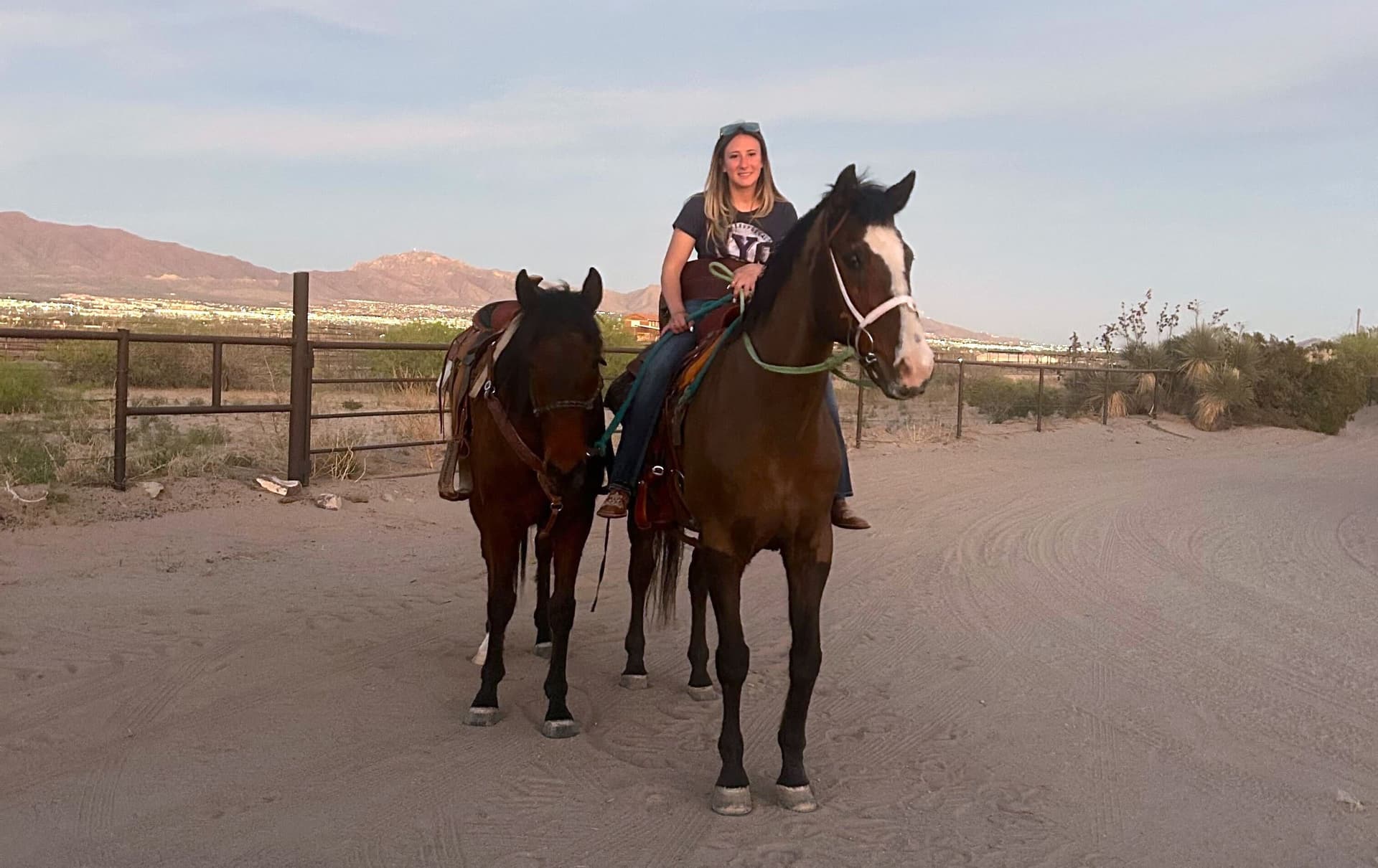
Under the live telethon lights at Keeneland Racecourse, Joree Scriver is surrounded by riders, trainers, and horse racing insiders united in supporting jockeys whose plans have suddenly changed course.
The 8th Annual Permanently Disabled Jockey Fund (PDJF) Telethon was held on April 18th at Keeneland in Lexington, Santa Anita Park in Arcadia, and broadcasted live on FanDuel TV and FOX Sports networks.
The event raised over $575,000 for the PDJF, a nonprofit designed to provide financial support to jockeys whose careers, and lives, have been permanently altered by injury.
Scriver is a recent PDJF recipient. She explained that the event made the sport she loves feel bigger than she had ever thought before.
"It was crazy—in a good way!” said Scriver. “You have an unconditional amount of support from all these people that you've never met."
Scriver’s Story
Scriver first saw horse racing up close at 10 years old. Growing up in northeastern Washington, her father was a bull rider and her mother broke horses, but she was far removed from the world of racetracks until her godfather introduced her.
“I just decided,” she said. “I was like, ‘You know what? I want to do that!’”
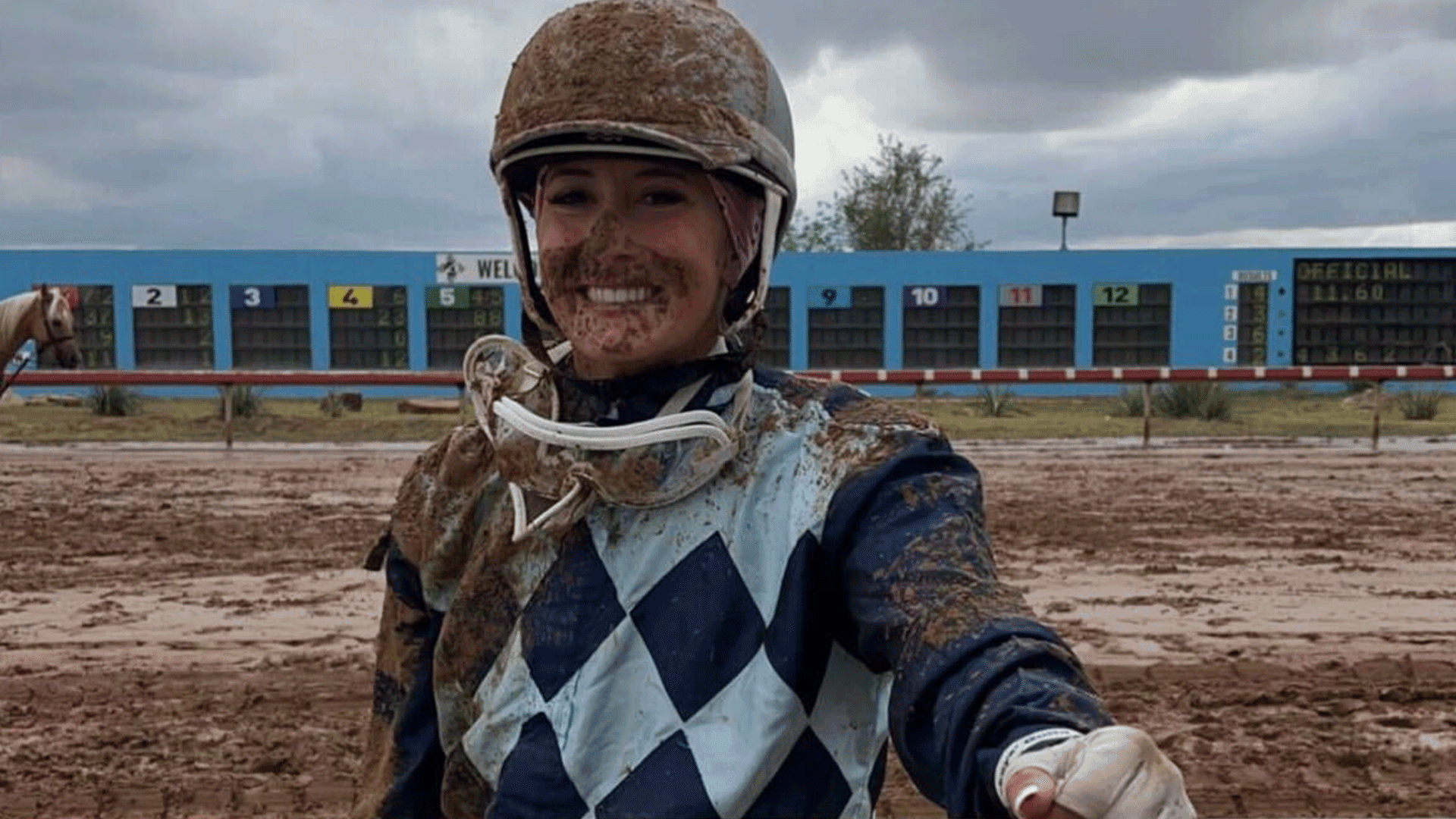
At 18, she rode her first official race on a small fair track in Oregon and finished fourth.
Over the next few years, Scriver built her career the way many new jockeys do—traveling between tracks, riding wherever opportunities came, and learning quickly in a sport that demands it.
She rode over 1,274 races in just three years with 168 first-place finishes, according to Equibase.
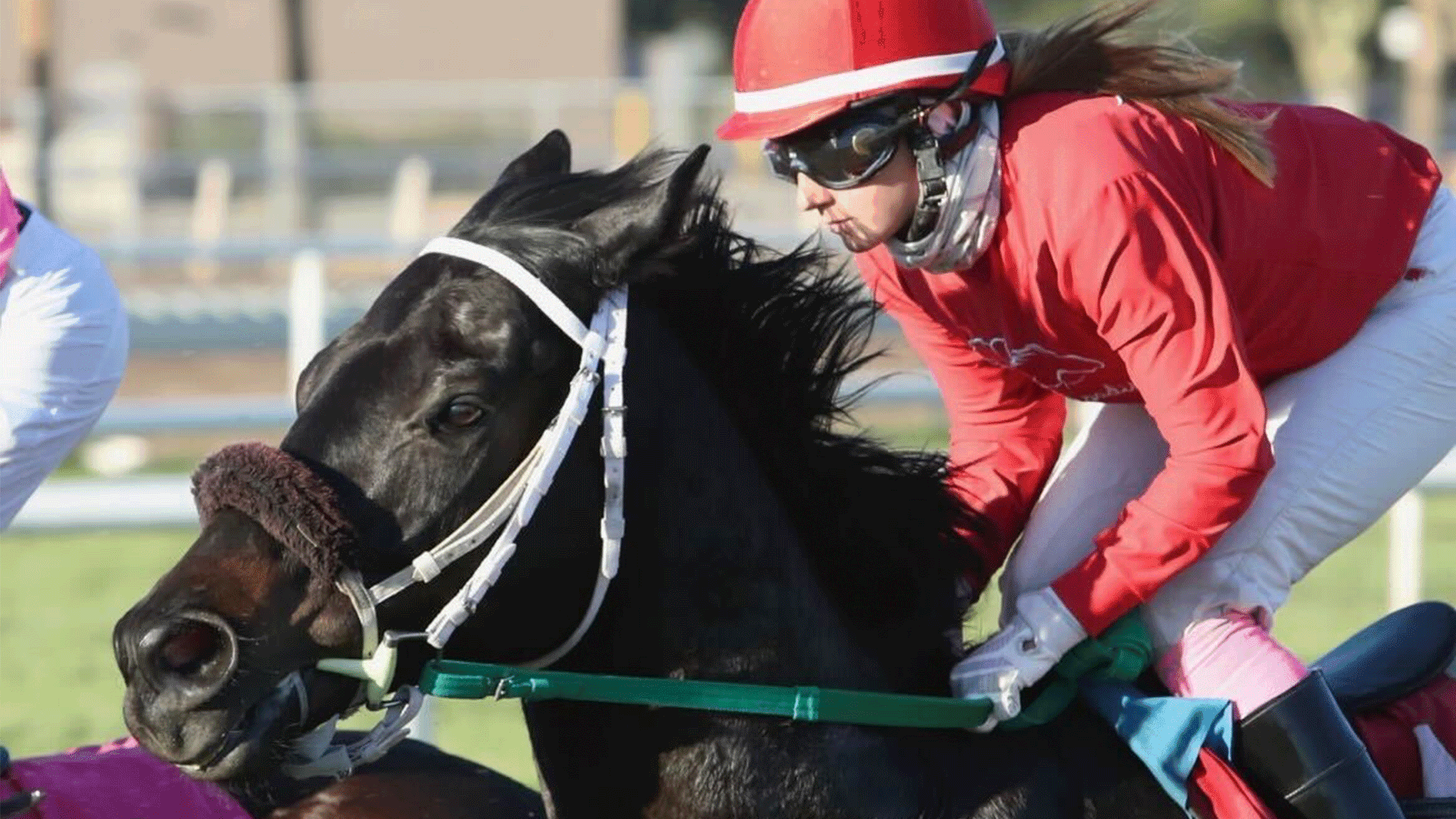
That’s why her trip to New Mexico for a New Year’s Day race in 2023 felt like any other, even with travel delays and a long winter drive to get there.
But that day changed her career in an instant.
At just 21 years old, Scriver was thrown from her mount during a race at Sunland Park. Among other injuries, she suffered a spinal contusion that left her paralyzed from her naval down. The months that followed were spent in rehabilitation care.
“Physically, I figured everything out,” she said. “The mental part in the recovery process during rehab—that was hard."
But alongside that reality came something else: more support than she could’ve even imagined.
About Permanently Disabled Jockeys Fund
Jockeys race at speeds nearing 40 miles per hour, often in tightly packed fields. While safety measures have improved, the risk remains inherent.
“Your life is in danger from the moment you get on the horse. There is always risk. I’ve had some close calls myself," said Hall-of-Fame jockey John Velazquez. “But I love what I do, as do many jockeys.”
Velazquez has served on the PDJF Board of Directors since 2006. The nonprofit has over 1,800 unique donors supporting more than 50 permanently disabled riders each year.
“We want to support these jockeys as best we can, but also their families whose lives have been changed,” he said. “We want to make sure they’re not struggling for their next meal or to pay rent.”
The annual PDJF telethon brings together Hall of Fame jockeys, FanDuel TV on-air talent, and prominent racing personalities to man the phones and raise money.
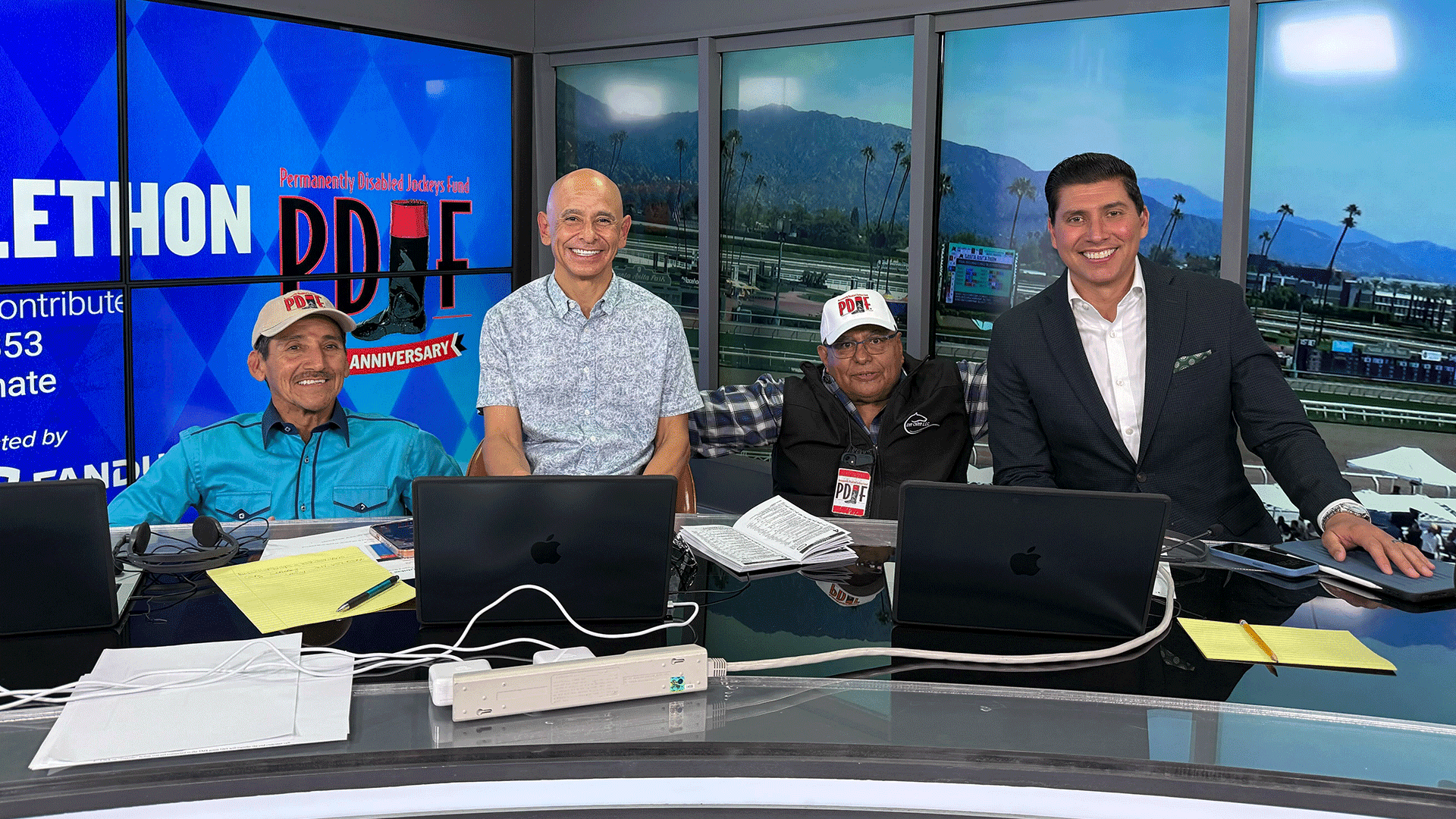
This year’s event included a $100,000 donation from FanDuel. Over seven years, FanDuel has contributed $700,000 to PDJF.
“The support FanDuel provides each year goes far beyond their extremely generous donations,” said Joe Clabes, Executive Director of PDJF. “If every corporate partner made an equal contribution to our mission, the support for our fallen riders would be truly life changing.”
Through PDJF, Scriver found both practical assistance and a deeper sense of belonging within the sport.
The Turning Point
For much of the year following her accident, Scriver remained surrounded by familiar faces as she recovered. But traveling to Keeneland for the telethon marked a turning point.
Being there gave her a sense of support, but it also gave her confidence that is now shaping what comes next.
Joree is beginning a new journey as a jockey agent. She plans to move to Minnesota, continuing her involvement in racing from a different perspective.
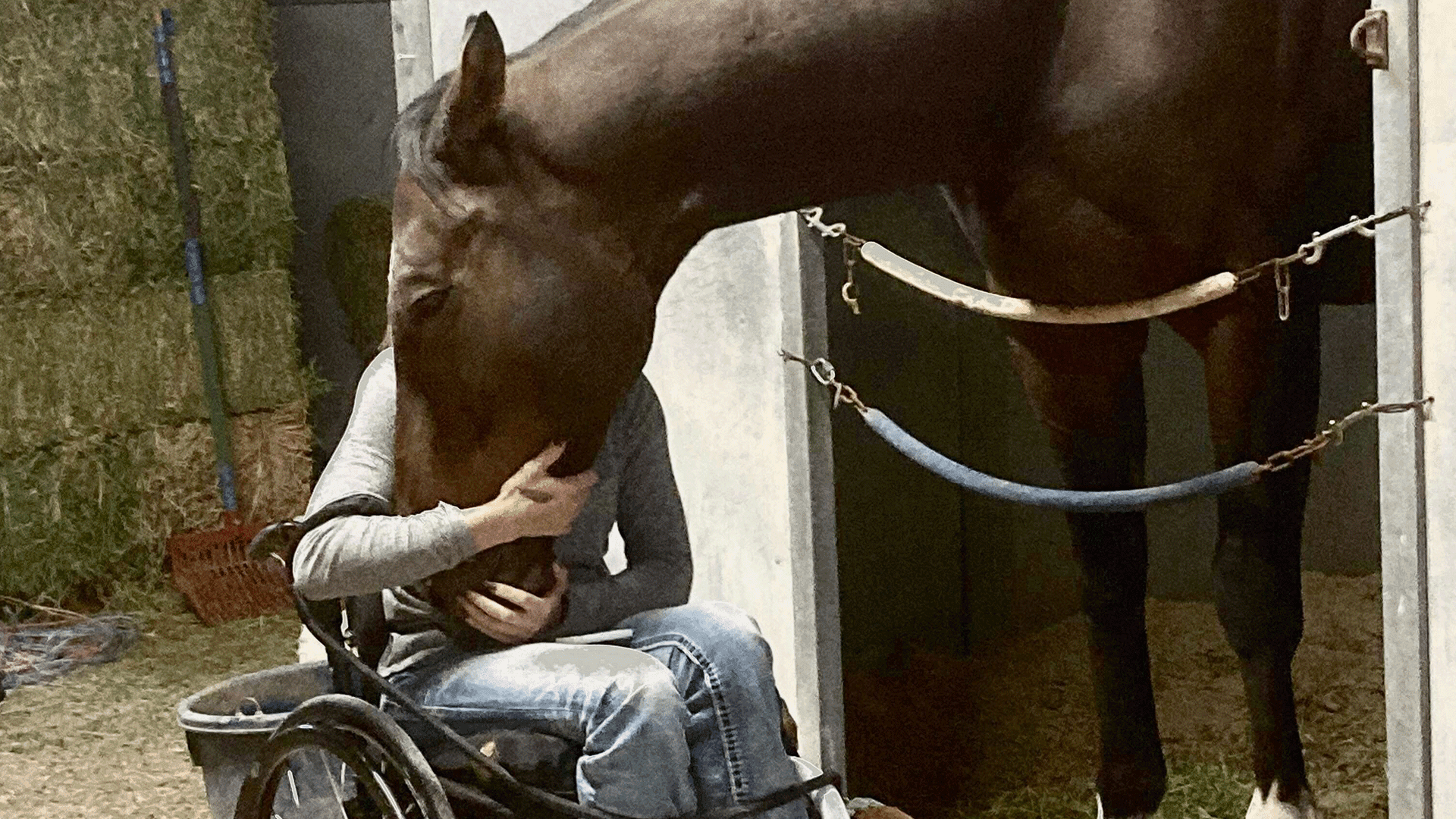
“When I went to Keeneland, it made me realize I could do this,” Scriver said. “The PDJF helped me with that. It opened my eyes.”
She’s also pursuing a personal goal that keeps her connected to the track in a more immediate way: “This year, I want to pony a horse on a recognized racetrack.”
Joree has received a specialized handicap saddle—equipment designed to help riders with mobility limitations safely return to working with horses.
For her, it represents more than just a tool. It’s a reflection of both where she’s been and where she’s going.
Visit our Community Commitment page to to learn more about FanDuel is making an impact.