Entertainment
“The thing about black history is that the truth is so much more complex than anything you could make up.” - Henry Louis Gates
Books for Kids
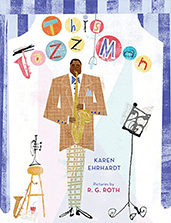
This Jazz Man
By Karen Ehrhardt(Ages 3+)
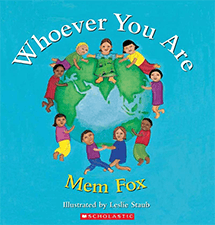
Whoever You Are
By Mem Fox(Ages 4+)
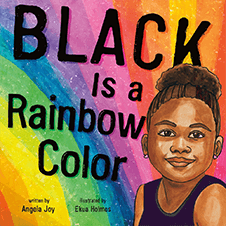
Black is a Rainbow Color
By Angela Joy(Ages 4+)
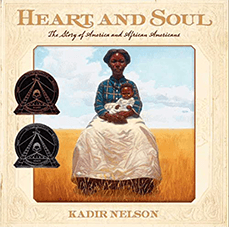
Heart and Soul: The Story of America and African Americans
By Kadir Nelson(Ages 8+)
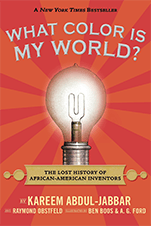
What Color Is My World? The Lost History of African American Inventors
By Kareem Abdul-Jabbar(Ages 8+)
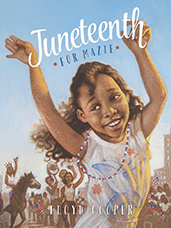
Juneteenth for Mazie
By Floyd Cooper(Ages 6+)
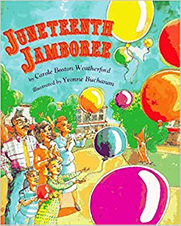
Juneteenth Jamboree
By Carole Boston Weatherford(Ages 6+)
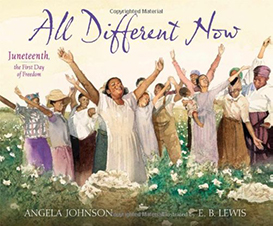
All Different Now: Juneteenth, the First Day of Freedom
By Angela Johnson(Ages 5+)
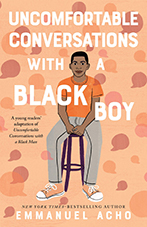
Uncomfortable Conversations with a Black Boy
By Emmanuel Acho(Ages 10+)
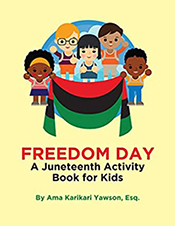
Freedom Day: A Juneteenth Activity Book for Kids
By Ama Yawson(All Ages)
Books for Adults
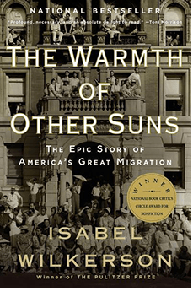
The Warmth of Other Suns
By Isabel Wilkerson
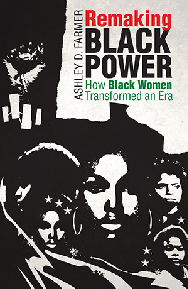
Remaking Black Power
By Ashley D. Farmer
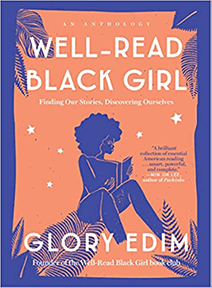
Well-Read Black Girl
By Glory Edim
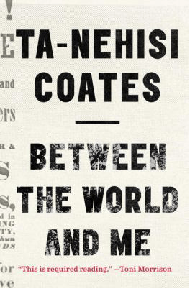
Between the World and Me
By Ta-Nehisi Coates
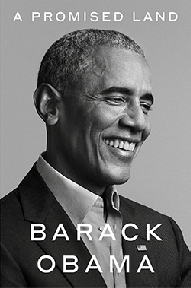
A Promised Land
By Barack Obama
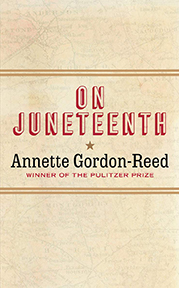
On Juneteenth
By Annette Gordon-Reed
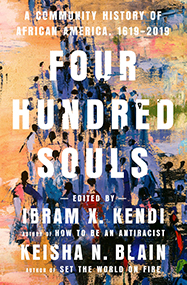
Four Hundred Souls: A Community History of African America, 1619-2019
By Ibram X Kendi
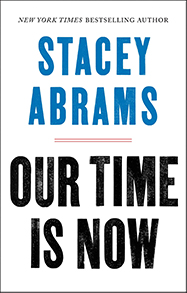
Our Time Is Now: Power, Purpose, and the Fight for a Fair America
By Stacey Abrams
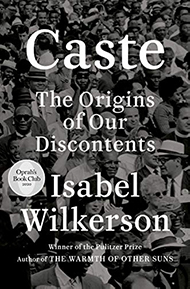
Caste: The Origins of Our Discontents
By Isabel Wilkerson
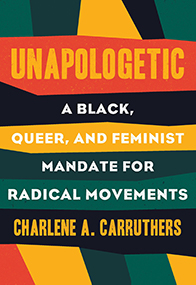
Unapologetic: A Black, Queer, and Feminist Mandate for Radical Movements
By Charlenne A. Carruthers
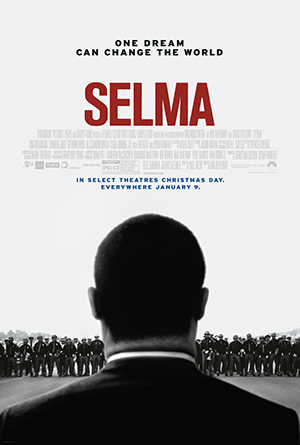
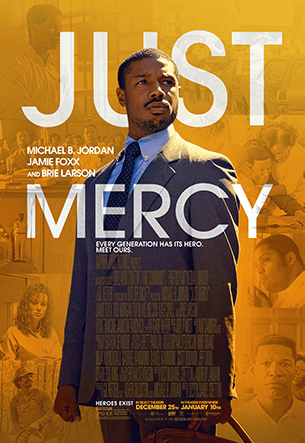
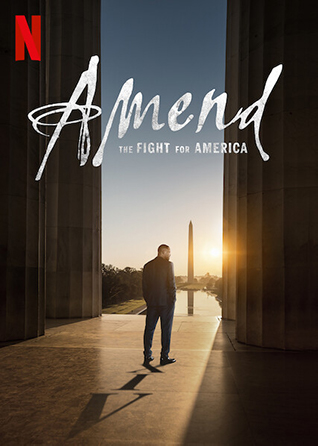
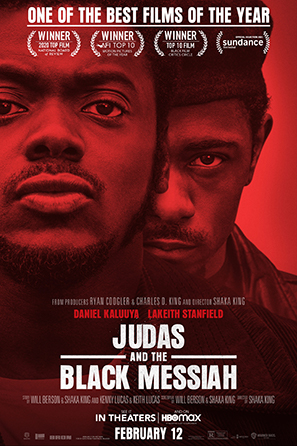
Movies
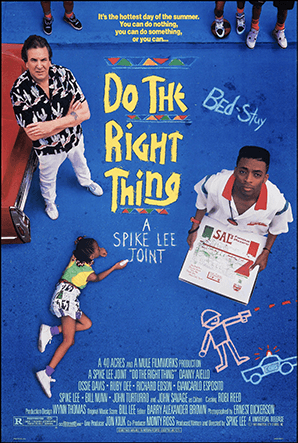
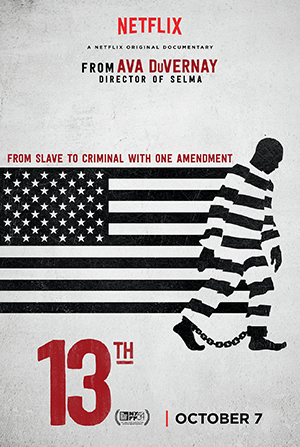
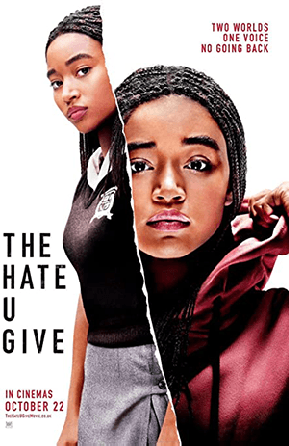
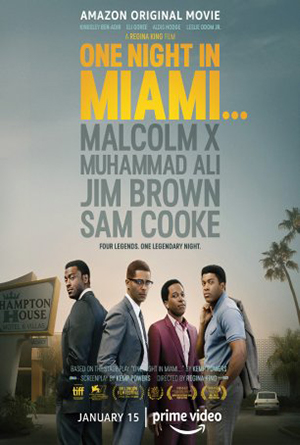
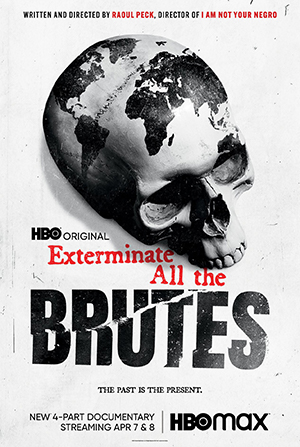
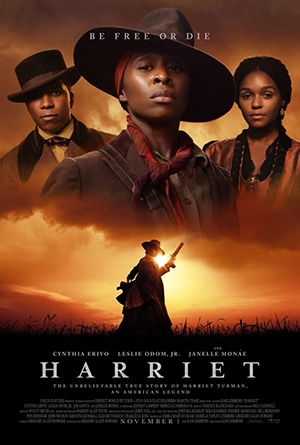
Places to Visit
“The function of education is to teach one to think intensively and to think critically. Intelligence plus character — that is the goal of true education.” - Martin Luther King, Jr.
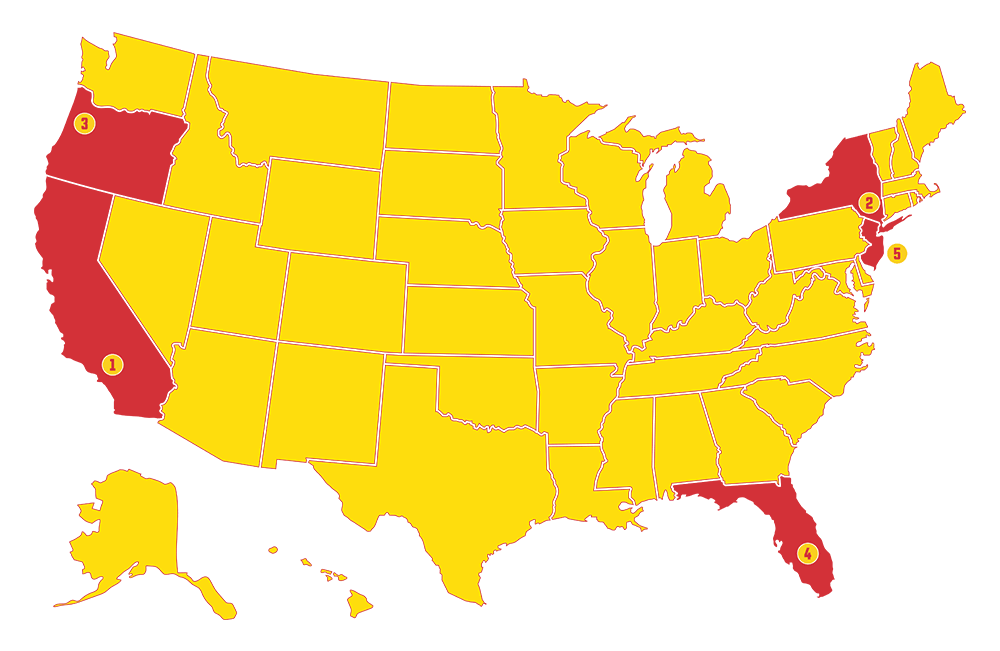
- Los Angeles Juneteenth Celebration: All American Freedom Day (June 19th - 20th)
- New York Juneteenth NY (June 18th - 20th)
- Portland Portland Juneteenth Events & Celebrations
- South Florida Juneteenth Events (June 18th - 20th)
- New Jersey Juneteenth Events across the state (June 18th - 20th)
Get Involved
“Don’t agonize, organize.” - Florynce Kennedy
Social Activism
@cuproject_
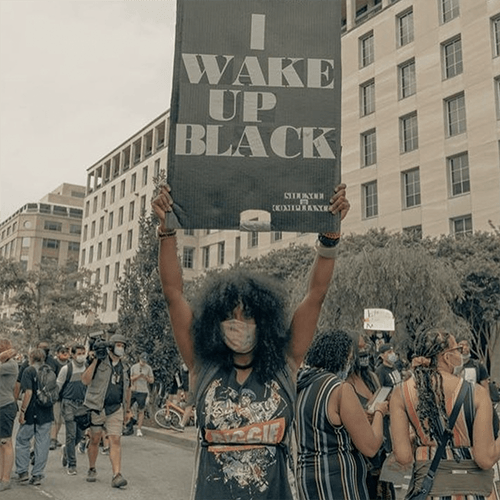
The 👁 CU Project
Mobilizing today’s youth to build a more anti-racist world. #👁CU
linkin.bio/cuproject_
linkin.bio/cuproject_
@consciouslyunbiased_
Consciously Unbiased
Sometimes it requires the occasional disruption to awaken to a different way of thinking. We connect
the heart & mind to advance #belonging at work.
linkin.bio/consciouslyunbiased_
linkin.bio/consciouslyunbiased_
@antiracismdaily
Anti-Racism Daily
News, insights, education and actions to dismantle white supremacy. Subscribe to the daily
newsletter 👇🏾
linktr.ee/antiracismdaily
linktr.ee/antiracismdaily
@mvmnt4blklives
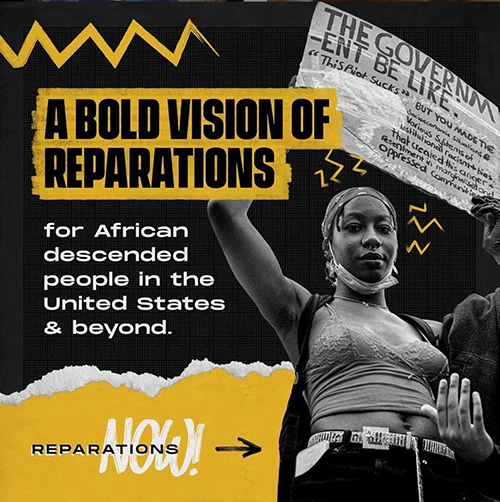
Movement For Black Lives
M4BL is a national network of organizations and individuals creating a broad political home for
Black people to learn, organize, & take action. #M4BL
linktr.ee/M4BL
linktr.ee/M4BL
Historical & Current Event Info
@black_ourstory
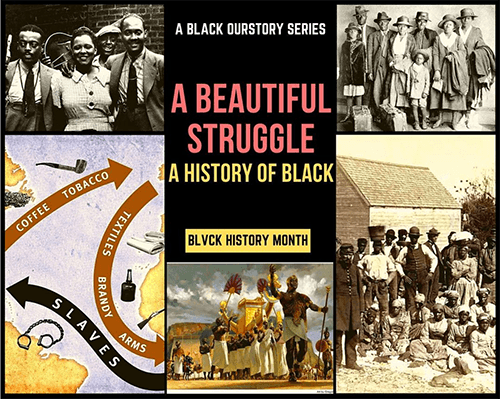
BLVCK | (Our)STORY
Things We Never Knew. Stories They Never Told. The Good, Bad, and Painful . These are OurStories.
Researched & Curated By: Marquis D.B. / @kbnpete
www.youtube.com/watch?v=moFbRLq0Y8g
www.youtube.com/watch?v=moFbRLq0Y8g
@soyouwanttotalkabout
so you want to talk about...
Dissecting progressive politics and social issues in graphic slideshow form!
✨ (*Not affiliated with So You Want To Talk About Race or its author.)
linktr.ee/sywtta
✨ (*Not affiliated with So You Want To Talk About Race or its author.)
linktr.ee/sywtta
@theconsciouskid
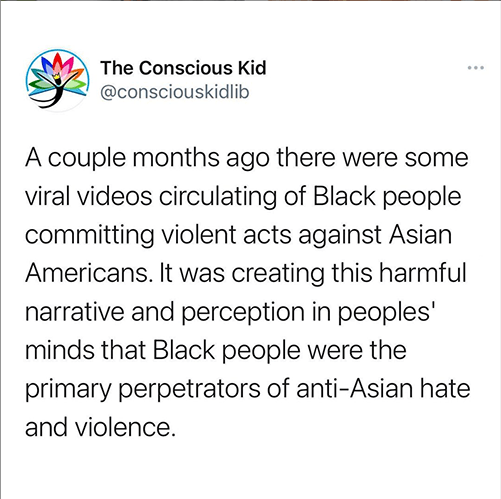
The Conscious Kid
Parenting and Education through a Critical Race Lens. Children’s Books. $1.4M sent out in COVID-19
Rent Relief For
Families. Black and Brown Owned.
https://www.whitehouse.gov/briefing-room/statements-releases/2021/04/28/fact-sheet-the-american-families-plan/
@context.project
The Context Project
Providing crucial context about the Black existence.
Black Owned Businesses: Group sites
@blackownedeverything
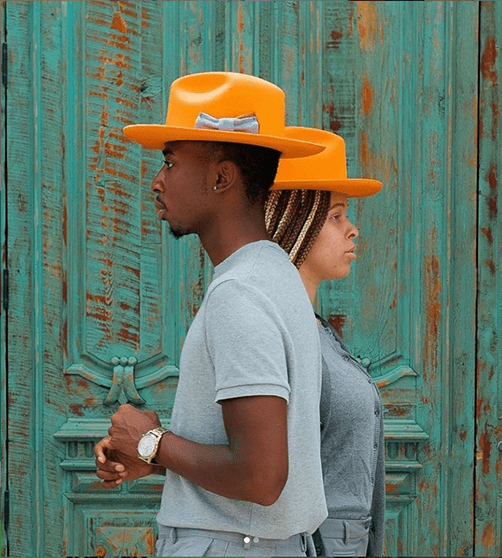
Black Owned Everything™
Founded & Curated by @ZerinaAkers. For When The Trend Is Over.
www.blackownedeverything.co
www.blackownedeverything.co
@webuyblack
WeBuyBlack.com
Soon everything we want and need will be produced by our community. CLICK THE LINK in our bio to
replace 5 everyday items with Black owned products
linktr.ee/webuyblack
linktr.ee/webuyblack
@officialblackwallstreet
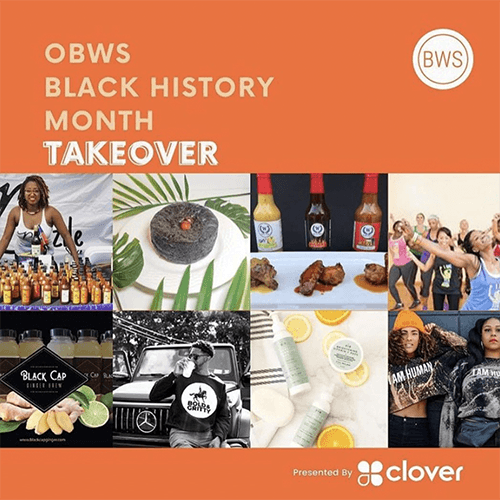
Official Black Wall Street app
The largest #BlackOwned business discovery app!
Stay tuned for our new platform, launching soon. Black woman-owned ✊🏾
hypel.ink/officialblackwallstreet
Stay tuned for our new platform, launching soon. Black woman-owned ✊🏾
hypel.ink/officialblackwallstreet
@blkmktvintage
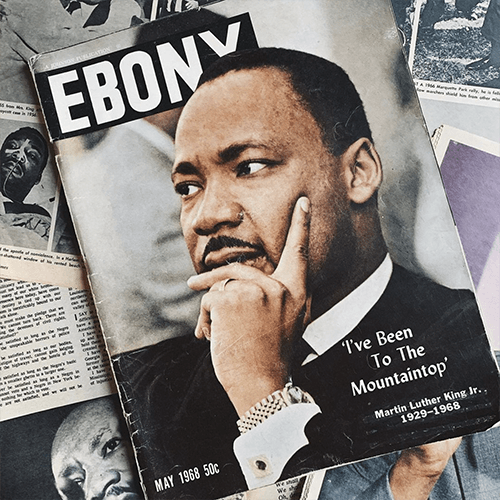
BLK MKT Vintage
Curators of a collection of black curiosities, heirlooms, and collectibles.
linktr.ee/blkmktvintage
linktr.ee/blkmktvintage
Remembering
Hank Aaron
Remembering
Hank Aaron
“What a marvelous moment for the country and the world. A black man is getting a standing ovation in the Deep South for breaking the record of an all-time baseball idol.” - Hall of Fame announcer Vin Scully, following Hank Aaron’s record-breaking 715th career home run.
Born in deeply segregated Mobile, Ala., Henry Louis Aaron rose above the roots of the Jim Crow South to break baseball’s storied home run record in 1974. Along the way, he was flooded with racist hate mail and death threats for daring to break the record of a white player, Babe Ruth.
“They carved a piece of my heart away,” he would later say.
Staring in the face of racism, Aaron would retire as baseball’s all-time leader in home runs (755), RBI (2,297), and total bases (6,856) on his journey to being inducted in the National Baseball Hall of Fame in 1982.
Aaron would continue to serve as a champion of civil rights after his playing days came to an end. In 2002, he was honored with the Presidential Medal of Freedom for his philanthropic and humanitarian endeavors. In 2005, The NAACP Legal Defense Fund awarded him the Thurgood Marshall Lifetime Achievement Award.
Just prior to his unfortunate passing on Jan. 21, 2021, Aaron proudly served as a public face of the COVID-19 vaccine, hoping to lessen the concerns of those in receiving the shot.
Juneteenth
We cannot walk alone
On June 19th, 1865, Union soldiers landed on to the shores of Galveston, Texas and Major General Gordon Granger read to the people the following:
"The people of Texas are informed that in accordance with a Proclamation from the Executive of the United States, all slaves are free. This involves an absolute equality of rights and rights of property between former masters and slaves, and the connection heretofore existing between them becomes that between employer and hired laborer."
Note that this was two and a half years after President Lincoln’s Emancipation Proclamation – which had become official January 1, 1863. The Emancipation Proclamation had little impact on the Texans due to the minimal number of Union troops to enforce the new Executive Order. However, with General Lee's surrender in April of 1865, and the arrival of General Granger’s regiment, Union armies enforced the President's mandate to end slavery in Texas.
Hardly the recipe for a celebration — which is what makes the story of Juneteenth all the more remarkable. Defying confusion and delay, terror and violence, the newly free black men and women of Texas, with the aid of the Freedmen’s Bureau (itself delayed from arriving until September 1865), now had a date to rally around. In one of the most inspiring grassroots efforts of the post-Civil War period, they transformed June 19 from a day of unheeded military orders into their own annual rite, “Juneteenth,” beginning one year later in 1866.
Black History Month
This content is brought to you by the Black Organization for Leadership and Development (BOLD). It is the vision of BOLD to cultivate a safe, supportive, and inclusive atmosphere for all FanDuel employees who identify as Black, African-American and/or of the African diaspora.
As part of BOLD’s commitment to this vision, in conjunction with Black History Month, we present to you a collection of works showcasing Black culture, events, and history. We hope that you find the resources helpful and informative.
We aim to enhance the professional and personal development of all FanDuel employees through critical dialogue and enriching programs where employees learn more about the cultures and pressing issues that impact Black individuals.